Growth Marketing for Small Businesses: A Guide to Sustainable Growth

In today’s competitive landscape, small businesses must go beyond traditional marketing to thrive. Growth marketing is a strategic, data-driven approach that focuses on long-term customer engagement, retention, and continuous optimization. Unlike conventional marketing, which prioritizes one-time campaigns, growth marketing is about experimenting, analyzing, and scaling what works. Here’s how small businesses can leverage growth marketing for sustainable success.

1. Understand Your Target Audience

Effective growth marketing starts with deep audience insights. Identify your ideal customers by analyzing their pain points, preferences, and behaviors. Use tools like Google Analytics, social media insights, and customer surveys to gather data and refine your buyer personas.

2. Optimize Your Online Presence

Your website and social media channels should work together to attract and convert customers. Implement SEO best practices by:

  • Conducting keyword research relevant to your industry.
  • Optimizing website speed and mobile responsiveness.
  • Creating valuable content that answers common customer questions.
  • Building backlinks from reputable sources.

3. Leverage Content Marketing

Content marketing is at the heart of growth marketing. Regularly publish high-quality blog posts, videos, and infographics to educate and engage your audience. Consider formats like:

  • How-to guides
  • Case studies
  • User-generated content
  • Email newsletters with personalized content

4. Implement A/B Testing

Testing is key to refining your marketing strategies. A/B testing helps determine which headlines, CTAs, landing pages, and email campaigns perform best. Use tools like Google Optimize or HubSpot to compare variations and improve conversion rates.

5. Utilize Social Proof

Customer testimonials, reviews, and case studies build credibility and encourage conversions. Showcase satisfied customers on your website and social media. Encourage user-generated content by running contests or featuring customer stories.

6. Automate and Personalize Your Marketing

Marketing automation tools like Mailchimp, HubSpot, or ActiveCampaign help nurture leads through personalized email sequences. Segment your audience based on their interactions and send tailored messages that resonate with their needs.

7. Focus on Retention and Referrals

Acquiring new customers is costly, so prioritize retention. Offer loyalty programs, exclusive discounts, and excellent customer support. Encourage referrals by implementing a referral program where customers earn rewards for bringing in new business.

8. Track Key Metrics and Adapt

Monitor performance metrics such as:

  • Website traffic and bounce rates
  • Conversion rates
  • Customer acquisition cost (CAC)
  • Customer lifetime value (CLV)

Use insights to tweak your strategies and double down on what works.

Conclusion

Growth marketing is a powerful tool for small businesses aiming for sustainable success. By continuously testing, analyzing, and optimizing your marketing efforts, you can drive long-term growth without exhausting your budget. Start small, stay data-driven, and watch your business flourish!

10 Proven Strategies for Boosting Your Website’s Organic Traffic

In today’s digital age, driving organic traffic to your website is crucial for online success. While paid advertising can yield immediate results, organic traffic offers long-term benefits, sustainable growth, and a higher return on investment. In this blog post, we will explore ten proven strategies that can significantly boost your website’s organic traffic. By implementing these techniques, you can enhance your online presence, attract more visitors, and ultimately achieve your business goals.

Search Engine Optimization (SEO):

One of the most effective ways to increase organic traffic is through search engine optimization. Conduct keyword research to identify relevant and high-volume search terms in your niche. Optimize your website’s meta tags, headings, content, and URLs with these keywords. Focus on creating high-quality, informative content that satisfies user intent and earns backlinks from reputable sources.

Content Marketing:

Developing a solid content marketing strategy is essential for driving organic traffic. Create valuable and engaging content that aligns with your target audience’s interests and needs. Publish blog posts, articles, videos, infographics, and other formats that provide value and establish you as an authority in your industry. Promote your content on social media platforms and engage with your audience to encourage sharing and interaction.

Guest Blogging:

Leverage the power of guest blogging to expand your reach and build backlinks. Identify reputable websites and blogs in your niche that accept guest posts. Craft high-quality articles and contribute them to these platforms, including a link back to your website. This not only exposes your content to a new audience but also boosts your website’s authority and search engine rankings.

Social Media Marketing:

Harness the potential of social media platforms to drive organic traffic to your website. Identify the platforms where your target audience is most active and create a strong social media presence. Share your content regularly, engage with your followers, and encourage them to visit your website. Utilize relevant hashtags, run contests or giveaways, and collaborate with influencers to expand your reach and attract more organic traffic.

On-Page Optimization:

Optimize your website’s on-page elements to improve organic traffic. Ensure your website loads quickly, is mobile-friendly, and provides a seamless user experience. Use descriptive and keyword-rich titles, headings, and image alt tags. Organize your content with proper formatting, bullet points, and subheadings to enhance readability. Implement internal linking to guide visitors to related content on your website.

User Experience (UX) Optimization:

Enhancing the user experience on your website can significantly impact organic traffic. Make navigation intuitive, design clean and visually appealing layouts, and improve site speed. Pay attention to mobile responsiveness, as a large portion of web traffic now comes from mobile devices. A positive user experience encourages visitors to stay longer, explore more pages, and increases the likelihood of conversion.

Influencer Marketing:

Collaborating with influencers in your industry can give your website’s organic traffic a significant boost. Identify influential individuals who have a substantial following and align with your brand values. Reach out to them for partnerships, such as product reviews, sponsored content, or co-created content. Their endorsement can introduce your website to a broader audience and generate valuable backlinks.

Email Marketing:

Build an email list and utilize email marketing campaigns to drive organic traffic. Offer valuable incentives, such as exclusive content, discounts, or free resources, in exchange for visitors’ email addresses. Regularly send targeted emails to your subscribers, including links to your website’s latest content, promotions, or updates. Personalize your emails to increase engagement and encourage recipients to visit your website.

Online Communities and Forums:

Engage with online communities and forums that are relevant to your industry. Provide helpful insights, answer questions, and contribute value to the discussions. Establish yourself as an authority and include a link to your website in your forum profile or signature. By actively participating and providing value, you can attract interested users who are likely to visit your website for more information.

Analyze and Optimize:

Regularly analyze your website’s performance using tools like Google Analytics. Monitor your organic traffic, bounce rate, conversion rates, and other key metrics. Identify patterns and trends to understand what is working and what needs improvement. Optimize your strategies accordingly, experiment with new techniques, and adapt to the evolving needs of your target audience.

Boosting your website’s organic traffic requires a multifaceted approach that encompasses various strategies and continuous optimization. By implementing the ten proven strategies mentioned above, you can significantly increase your website’s visibility, attract a larger audience, and achieve sustainable growth. Remember to prioritize quality content, user experience, and engagement with your target audience. With patience, consistency, and a data-driven approach, you can unlock the full potential of organic traffic and drive your online success to new heights.

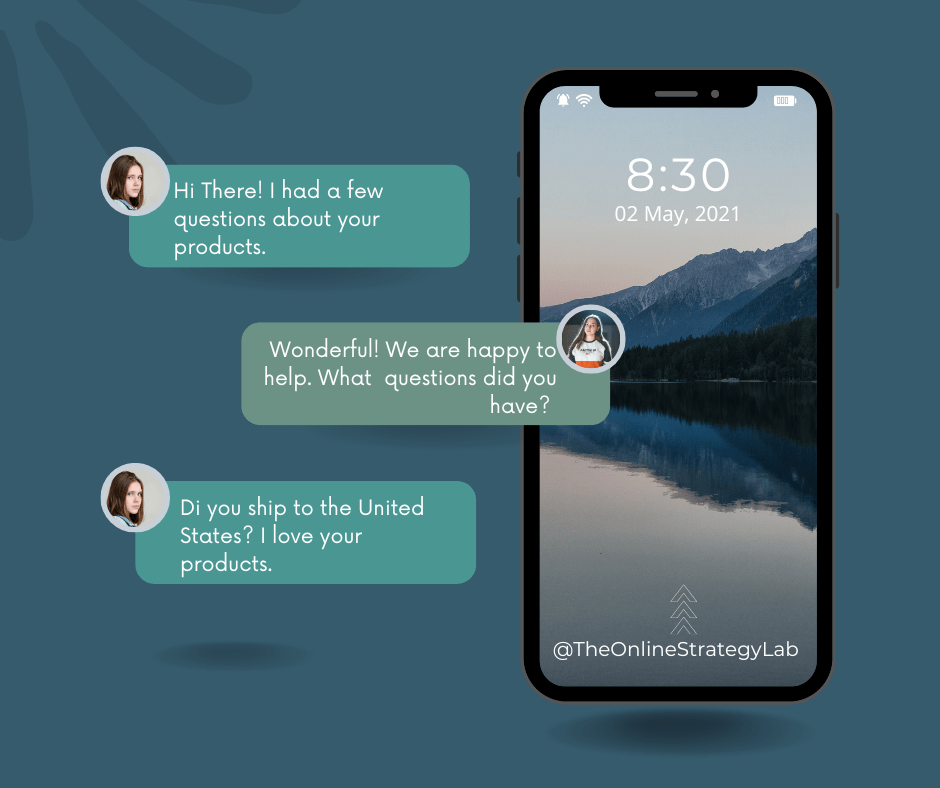
Unlocking the Potential of Chat Marketing

In the era of instant communication and personalized experiences, businesses are constantly seeking innovative ways to engage with their audience. One strategy that has gained significant momentum is chat marketing. Chat marketing leverages the power of messaging platforms and artificial intelligence to deliver personalized, interactive, and real-time conversations with customers. In this blog post, we will explore the potential of chat marketing and how businesses can unlock its benefits to drive customer engagement, increase conversions, and build lasting relationships.

Understanding Chat Marketing:

Chat marketing involves using messaging platforms, such as Facebook Messenger, WhatsApp, or website chatbots, to interact with customers in a conversational manner. Instead of relying solely on traditional marketing channels like email or social media, chat marketing harnesses the power of real-time conversations to deliver personalized messages, provide instant support, and guide customers through their journey.

Benefits of Chat Marketing:

Personalization:

Chat marketing enables businesses to tailor messages based on customer preferences, behavior, and previous interactions. By using customer data and AI-powered chatbots, you can deliver highly personalized experiences, recommend relevant products or services, and address customer needs more effectively.

Real-Time Engagement:

With chat marketing, businesses can engage with customers in real time. Customers appreciate the immediacy and convenience of receiving quick responses to their queries, which can lead to improved customer satisfaction, increased trust, and higher conversion rates.

Automation and Efficiency:

Chatbots and automated messaging workflows allow businesses to handle a large volume of customer inquiries simultaneously. Chatbots can provide instant answers to frequently asked questions, guide customers through the purchase process, and even assist with order tracking or post-purchase support. This automation frees up human resources and enhances operational efficiency.

Lead Generation and Conversion:

Chat marketing can be a powerful tool for lead generation and conversion. By engaging customers in personalized conversations, businesses can collect valuable information, qualify leads, and nurture them through the sales funnel. Chatbots can offer product recommendations, provide discounts or exclusive offers, and seamlessly guide customers towards making a purchase.

Customer Support and Retention:

Chat marketing can play a crucial role in providing exceptional customer support. Businesses can offer instant assistance, troubleshoot issues, and resolve customer inquiries efficiently through chat platforms. By delivering prompt and personalized support, you can enhance customer satisfaction, loyalty, and long-term retention.

Implementing Effective Chat Marketing Strategies:

Personalized Messaging:

Craft messages that address customers by their name, refer to their previous interactions, and provide relevant recommendations based on their preferences and browsing history. Personalized messages make customers feel valued and understood, increasing the likelihood of engagement and conversion.

Automated Workflows:

Set up automated workflows within chat platforms to handle common customer inquiries. Create a series of pre-defined responses and prompts that guide customers through different stages of their journey, such as product discovery, purchase assistance, or post-purchase support. Ensure the workflow feels natural and conversational.

Seamless Integration:

Integrate chat marketing with your existing marketing and customer relationship management systems. Connect chat platforms with your website, email marketing tools, and CRM systems to ensure a seamless and unified customer experience across channels.

Continuous Optimization:

Regularly analyze chat conversations, customer feedback, and performance metrics to identify areas for improvement. Optimize chatbot responses, refine messaging strategies, and update workflows based on customer interactions and evolving needs.

Ethical Considerations and Human Touch:

While chat marketing offers numerous benefits, it is crucial to strike a balance between automation and maintaining a human touch. Avoid overusing generic or robotic responses and ensure there are opportunities for customers to connect with a human representative when needed. Transparency about the use of AI chatbots and clear instructions on how customers can reach a human agent instill trust and authenticity.

Chat marketing has emerged as a powerful tool for businesses to engage with customers in real time, deliver personalized experiences, and drive conversions. By leveraging the potential of chat platforms and AI-powered chatbots, businesses can provide instant support, nurture leads, and build lasting relationships. By implementing effective chat marketing strategies, continuously optimizing interactions, and maintaining a human touch, businesses can unlock the full potential of chat marketing to elevate customer engagement and achieve business success.

Maximizing Engagement with Interactive Content

Attention spans are shorter than ever, capturing and retaining your audience’s attention is paramount. One powerful strategy for boosting engagement and creating memorable experiences is through interactive content. By offering opportunities for active participation and personalization, interactive content not only captures attention but also encourages deeper engagement and fosters a stronger connection with your audience. In this blog post, we will explore the benefits of interactive content and share effective ways to maximize engagement through its implementation.

The Power of Interactive Content:

Interactive content refers to any form of digital content that requires active participation from the audience. It goes beyond the traditional passive consumption of information and transforms it into an immersive and engaging experience. Interactive content can take various forms, such as quizzes, polls, surveys, calculators, assessments, interactive infographics, games, and interactive videos. By providing opportunities for interaction, it allows users to explore, make choices, and customize their experience, resulting in higher engagement levels.

Benefits of Interactive Content:

Increased Engagement:

Interactive content captivates users by encouraging them to actively participate, rather than passively consuming information. This active engagement leads to increased time spent on your website or platform, higher click-through rates, and improved brand recall.

Enhanced Personalization:

Interactive content allows users to customize their experience based on their preferences and needs. By providing personalized recommendations, tailored results, or interactive decision-making processes, you can create a more relevant and meaningful experience for your audience.

Improved Information Retention:

When users actively engage with interactive content, they are more likely to retain the information presented. By presenting information in an interactive format, you can enhance comprehension, memory, and knowledge retention.

Data Collection and Insights:

Interactive content provides an opportunity to gather valuable data about your audience. Through quizzes, surveys, or assessments, you can collect user preferences, opinions, and behavior patterns, which can inform your marketing strategies, product development, and content creation.

Effective Implementation of Interactive Content:

Quizzes and Assessments:

Create interactive quizzes or assessments related to your industry, products, or services. Encourage users to test their knowledge, assess their needs, or discover their personality traits. Provide immediate feedback or results to make the experience more rewarding.

Interactive Videos:

Incorporate interactive elements within your videos, such as clickable hotspots, annotations, or branching paths. Allow users to make choices or explore additional content based on their interests. This interactive approach transforms passive video viewing into an immersive experience.

Gamification:

Gamify your content by incorporating game-like elements such as leaderboards, badges, or rewards. Whether it’s a simple online game or a scavenger hunt-style experience, gamification adds an element of fun and competition, increasing engagement and motivation.

Interactive Infographics:

Instead of static infographics, create interactive versions that allow users to explore different data points, hover over elements for additional information, or interact with charts and graphs. This interactive format makes complex information more digestible and engaging.

User-Generated Content:

Encourage users to contribute their content through contests, challenges, or interactive campaigns. This not only boosts engagement but also creates a sense of community and fosters user-generated brand advocacy.

Measuring Success and Optimization:

To maximize the impact of interactive content, it is crucial to measure its effectiveness and optimize accordingly. Track metrics such as engagement rates, time spent, completion rates, social shares, and conversions. Analyze user feedback, behavior patterns, and data collected to identify areas for improvement and refine your interactive content strategies over time.

Grabbing and maintaining attention is a constant challenge, interactive content emerges as a powerful tool for boosting engagement and creating meaningful connections with your audience. By incorporating interactive elements such as quizzes, games, videos, and infographics, you can captivate your audience, personalize their experience, and foster a deeper level of engagement. Remember to measure the success of your interactive content and continuously optimize your strategies to create even more impactful and engaging experiences. With the right mix of creativity, interactivity, and data-driven insights, you can take your content marketing efforts to new heights.

7 Ways to Use Google Analytics for Marketing Success

Businesses heavily rely on data-driven insights to make informed decisions and optimize their marketing strategies. One tool that has revolutionized the way marketers track and analyze their online efforts is Google Analytics. With its robust features and comprehensive tracking capabilities, Google Analytics has become an invaluable resource for measuring marketing success. In this blog post, we will explore how businesses can leverage Google Analytics to gain valuable insights and evaluate the effectiveness of their marketing campaigns.

Setting up Google Analytics:

The first step in harnessing the power of Google Analytics is to set up an account and integrate it with your website. By installing a tracking code on your site, you can begin collecting data on various metrics such as website traffic, user behavior, conversions, and more. Once the tracking is live, Google Analytics starts generating detailed reports, providing you with a wealth of information about your website’s performance.

Defining Key Performance Indicators (KPIs):

To measure marketing success effectively, it is essential to establish clear Key Performance Indicators (KPIs). KPIs are quantifiable metrics that align with your marketing goals. They help you track progress, identify areas for improvement, and evaluate the overall effectiveness of your marketing efforts. Examples of KPIs include website traffic, conversion rates, average session duration, bounce rates, and goal completions.

Monitoring Website Traffic:

Google Analytics offers a comprehensive overview of your website’s traffic patterns. It provides valuable insights into the number of visitors, the sources driving traffic (organic, paid, referral, social media), and the geographical locations of your audience. By monitoring website traffic, you can assess the impact of different marketing initiatives, identify the most effective channels, and allocate resources accordingly.

Analyzing User Behavior:

Understanding how users interact with your website is crucial for optimizing marketing strategies. Google Analytics offers detailed reports on user behavior, including pageviews, time spent on each page, navigation paths, and exit pages. By analyzing this data, you can identify popular content, determine which pages drive conversions, and optimize user experience to improve engagement and drive conversions.

Tracking Conversions and Goals:

Conversions represent the ultimate measure of marketing success, indicating that users have taken a desired action, such as making a purchase, filling out a form, or subscribing to a newsletter. Google Analytics allows you to set up and track conversion goals, enabling you to measure the effectiveness of your marketing campaigns and identify areas for improvement. By analyzing conversion data, you can assess the performance of different marketing channels, campaigns, and landing pages.

A/B Testing and Campaign Optimization:

Google Analytics enables you to conduct A/B tests and measure the impact of different marketing strategies. By comparing the performance of different variations of web pages or marketing campaigns, you can determine which elements yield the best results. This data-driven approach allows you to optimize your marketing efforts, make informed decisions, and allocate resources effectively.

Real-time Monitoring and Reporting:

One of the greatest advantages of Google Analytics is its ability to provide real-time data. This feature allows marketers to monitor the impact of ongoing campaigns, react quickly to changes, and make data-driven decisions in real-time. Additionally, Google Analytics offers customizable reporting options, allowing you to create personalized dashboards and automated reports to share insights with stakeholders.

In today’s digital landscape, measuring marketing success is crucial for driving growth and making informed decisions. Google Analytics provides businesses with powerful tools to track and analyze website performance, user behavior, conversions, and more. By leveraging the insights offered by this platform, marketers can evaluate the effectiveness of their marketing campaigns, optimize strategies, and allocate resources effectively. As the digital landscape continues to evolve, utilizing Google Analytics to measure marketing success will remain an essential practice for businesses of all sizes.

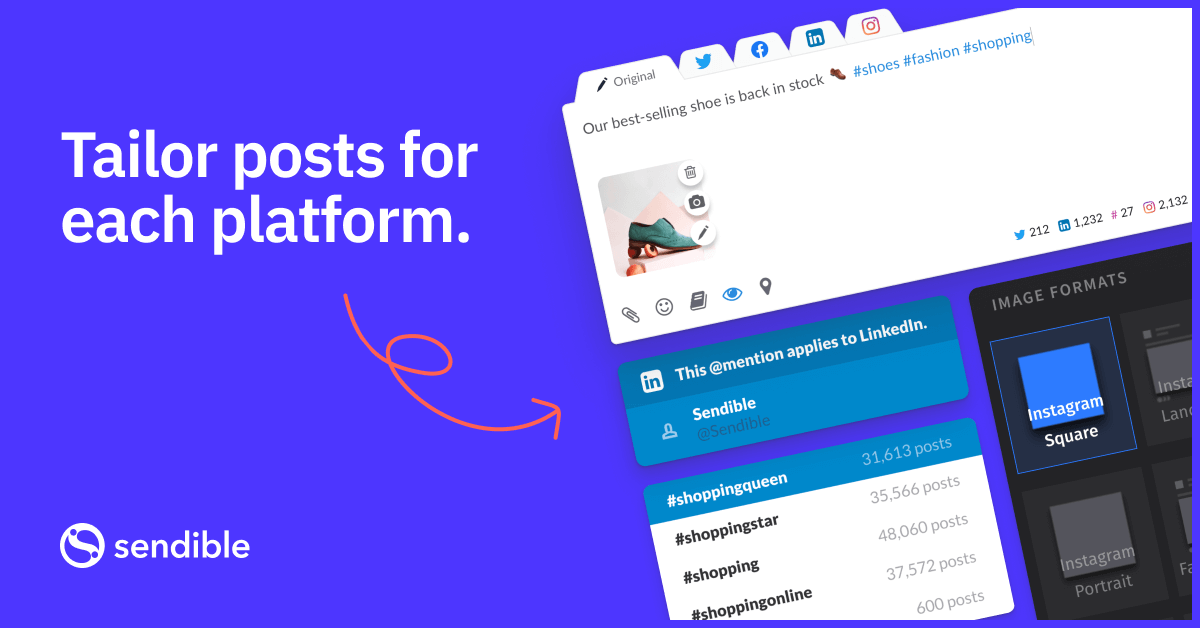
Sendible: The Secret to Handling Multiple Companies Social Media Accounts

Social media has become an indispensable tool for businesses of all sizes. It offers a powerful platform to connect with customers, promote products or services, and build a strong online presence. However, managing multiple social media accounts efficiently can be a daunting task. This is where Sendible comes to the rescue. In this blog post, we’ll explore the key features and benefits of the Sendible platform and how it can supercharge your social media management to allow you to manage all of your clients’ pages successfully.

All-in-One Social Media Management Solution:

Sendible is a comprehensive social media management platform that allows businesses to streamline their social media activities from a single dashboard. With Sendible, you can manage multiple social media accounts, schedule posts, engage with your audience, analyze performance, and much more. Posting to Facebook, Instagram, Google Business Profiles and LinkedIn can be completed in minutes allowing more free time for custom client projects.

Efficient Content Scheduling and Publishing:

One of Sendible’s standout features is its advanced content scheduling and publishing capabilities. The platform enables you to plan and schedule your social media posts in advance, ensuring a consistent presence across various platforms. With a user-friendly interface, you can easily create, customize, and schedule posts for specific dates and times. This feature saves you valuable time and effort, enabling you to focus on other aspects of your business.

Engage with Your Audience:

Engagement is key to building a loyal and active online community. Sendible helps you interact with your audience effectively by providing tools for monitoring comments, messages, and mentions across multiple social media platforms. You can promptly respond to customer inquiries, engage in conversations, and provide exceptional customer support. By staying connected and responsive, you can nurture relationships with your followers and strengthen your brand’s reputation.

Collaborative Workflow and Approval Processes:

For businesses with multiple team members involved in social media management, Sendible offers a collaborative workflow system. You can assign roles and permissions to team members, review and approve posts before they are published, and maintain brand consistency across all your social media channels. This collaborative approach ensures seamless coordination, improves efficiency, and reduces the risk of errors or miscommunication.

Comprehensive Analytics and Reporting:

Understanding the performance of your social media efforts is crucial for making data-driven decisions. Sendible provides comprehensive analytics and reporting features that give you valuable insights into your social media performance. You can track key metrics, such as engagement, reach, follower growth, and click-through rates, and generate easy-to-understand reports. These insights help you identify successful strategies, optimize your content, and refine your social media marketing campaigns for better results.

Integration with Third-Party Tools:

Sendible offers seamless integration with a wide range of third-party tools, including popular platforms like Canva, Google Drive, and Bitly. This integration allows you to access additional features and resources to enhance your social media management experience. You can create eye-catching visuals, store and organize files, and shorten links for better tracking—all within the Sendible platform.

Sendible is a powerful social media management platform that empowers businesses to efficiently manage their social media presence. With its all-in-one features, content scheduling, engagement tools, collaborative workflow, analytics, and integrations, Sendible simplifies the complexities of social media management, saves time, and improves overall productivity. Whether you’re a small business or a large enterprise, Sendible can help you unleash the true potential of your social media marketing efforts and drive meaningful results. So why wait? Give Sendible a try for free and take your social media strategy to new heights!

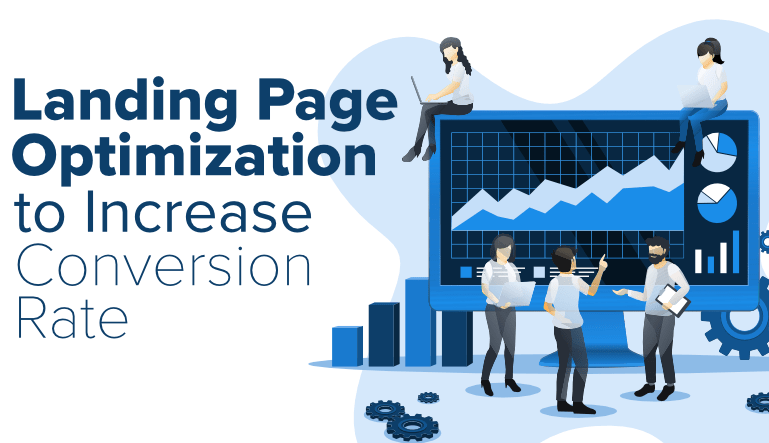
Optimizing Landing Pages for Higher Conversions

In the world of digital marketing, landing pages play a crucial role in driving conversions. A well-optimized landing page can significantly impact your marketing campaigns’ success by capturing visitors’ attention and motivating them to take action. In this blog post, we will explore the strategies and techniques you need to optimize your landing pages for higher conversion rates. From compelling headlines to persuasive calls-to-action, we will cover all the essential elements and best practices to ensure your landing pages deliver outstanding results.

The Importance of Landing Page Optimization

Optimizing landing pages is vital because it directly affects the conversion rates of your marketing campaigns. A poorly optimized landing page can lead to high bounce rates and missed opportunities. By implementing the right optimization techniques, you can improve the relevance, clarity, and persuasive power of your landing pages, enticing visitors to complete desired actions, such as making a purchase, filling out a form, or subscribing to a newsletter.

Defining Your Conversion Goals

Before optimizing your landing pages, it’s crucial to define your conversion goals. What action do you want visitors to take? Is it to make a purchase, sign up for a free trial, or download a resource? Clearly defining your goals allows you to align your landing page elements and messaging to drive users towards those desired actions effectively.

Crafting Compelling Headlines and Subheadings

Your landing page headline is the first thing visitors see, and it should capture their attention immediately. Craft a compelling headline that conveys the value proposition and addresses the visitor’s pain points or needs. Use strong and persuasive language to entice users to continue reading. Subheadings can further support and reinforce the main message, guiding visitors through the page and highlighting key benefits.

Optimizing Call-to-Action (CTA) Buttons

The call-to-action (CTA) button is a critical element of your landing page. It should be visually appealing, prominently displayed, and use action-oriented language. Use contrasting colors to make the CTA button stand out, and ensure it is easily clickable on both desktop and mobile devices. Additionally, align the CTA button text with the desired action and create a sense of urgency or exclusivity to encourage immediate engagement.

Designing Clear and Intuitive Page Layout

A well-designed landing page layout enhances user experience and encourages engagement. Keep the design clean, uncluttered, and visually appealing. Use ample white space to draw attention to key elements and avoid distractions. Prioritize important content above the fold to ensure visitors see the most critical information without scrolling. Make sure your page is mobile-responsive to accommodate users accessing your landing page on various devices.

Crafting Persuasive and Relevant Copy

The copy on your landing page should be concise, persuasive, and focused on benefits. Clearly communicate the value proposition, highlighting how your product or service solves a specific problem or fulfills a need. Use bullet points, short paragraphs, and formatting techniques to make the text scannable and easy to digest. Incorporate relevant keywords naturally to improve SEO, but avoid keyword stuffing that may negatively impact user experience.

Incorporating Social Proof and Trust Signals

To instill trust and credibility, include social proof elements on your landing page. Testimonials, reviews, case studies, and client logos can showcase positive experiences and demonstrate that others have benefited from your offerings. Additionally, include trust signals such as security badges, certifications, or guarantees to reassure visitors about the safety and reliability of engaging with your brand.

Optimizing landing pages for higher conversions is a critical aspect of any successful digital marketing strategy. By incorporating the key elements and implementing best practices discussed in this blog post, you can create landing pages that engage visitors, communicate value, and drive them towards desired actions. Remember to define your conversion goals, craft compelling headlines and CTAs, design intuitive layouts, and leverage social proof to build trust. Continuously test and optimize your landing pages to achieve optimal results and improve your overall conversion rates.

The Importance of Brand Consistency in Marketing

In today’s competitive marketplace, establishing a strong brand identity is crucial for businesses aiming to stand out from the crowd. However, it’s not just about having a well-designed logo or a catchy slogan. Consistency plays a pivotal role in building a successful brand. In this blog post, we will delve into the importance of brand consistency in marketing and how it can contribute to the long-term success of your business.

Building Trust and Recognition

Consistency is the foundation upon which trust and recognition are built. When customers encounter a consistent brand experience across various touchpoints, it creates a sense of familiarity and reliability. Consistent branding helps establish credibility and reassures customers that they are dealing with a professional and trustworthy business. Whether it’s your website, social media profiles, or offline marketing materials, maintaining a consistent visual identity, tone of voice, and messaging will make your brand more memorable and recognizable. For example, check out our social media platforms. Although at this point in time we may be relatively new, across WordPress, Facebook, Instagram and our Google Business Profile you will see a consistent theme. 

Creating a Cohesive Brand Story

A consistent brand identity helps to create a cohesive brand story that resonates with your target audience. By conveying a consistent message and values through your marketing efforts, you can shape the perception of your brand and differentiate yourself from competitors. Consistency in storytelling allows customers to connect with your brand on a deeper level, fostering loyalty and emotional attachment. When your brand’s story is clear, consistent, and compelling, it becomes easier to attract and retain customers who align with your brand’s values.

Enhancing Brand Recall and Awareness

Consistency is key to achieving brand recall and awareness. Think about iconic brands like Coca-Cola or Nike. Their logos, colors, and slogans remain consistent over time, enabling customers to instantly recognize and recall their brands. By consistently using your brand elements across different marketing channels, you create a unified presence that reinforces your brand identity in the minds of consumers. This increased awareness leads to improved brand recall, making it more likely for customers to choose your brand when making purchasing decisions.

Building Customer Loyalty

Brand consistency plays a vital role in building customer loyalty. When customers have positive experiences with your brand, they develop a sense of trust and satisfaction. Consistency ensures that each interaction with your brand, be it online or offline, delivers the same level of quality, service, and experience. By consistently meeting or exceeding customer expectations, you foster loyalty and encourage repeat business. Loyal customers not only continue to support your brand but also become advocates who recommend your products or services to others.

Strengthening Market Positioning

Consistent branding strengthens your market positioning and helps you stand out from the competition. In a crowded marketplace, having a distinct and consistent brand identity sets you apart, making it easier for customers to choose you over your competitors. Consistency allows you to communicate your unique selling propositions effectively and build a reputation for delivering on your promises. By consistently positioning your brand in the minds of consumers, you become the go-to choice in your industry or niche.

Brand consistency is not a one-time effort; it requires ongoing commitment and attention to detail. However, the benefits it brings to your marketing efforts and overall business success are well worth the investment. From building trust and recognition to fostering loyalty and strengthening your market position, consistency in branding is a powerful tool that can help you create a strong and enduring connection with your target audience. Embrace brand consistency as a fundamental part of your marketing strategy and watch your brand thrive in the competitive marketplace.

Claiming Your Google Business Profile: Boost Your Online Presence

Having a strong online presence is crucial for businesses of all sizes. With consumers increasingly relying on search engines to find local products and services, claiming your Google Business Profile has become an essential marketing strategy. In this blog post, we’ll explore the process of claiming your Google Business Profile, step-by-step, and discuss why it’s vital for your marketing efforts.

What is a Google Business Profile?

A Google Business Profile is a free tool provided by Google that allows businesses to manage their online presence across various Google platforms, including Google Search and Google Maps. It serves as a digital storefront where you can showcase important information about your business, such as contact details, opening hours, customer reviews, photos, and more.

How to Claim Your Google Business Profile

Below, we will go over step by step how to claim your google business profile if you have not done so already. Think of your GBP as your google business card. It shows potential clients your hours, services, products, everything they need to know about your business to decided if it is right for them. This is why it is imperative all of the information accurately represents your business.

Create a Google account:

To get started, you’ll need a Google account. If you don’t have one, head over to accounts.google.com and follow the simple steps to create an account. If you already have a Google account, proceed to the next step.

Visit Google My Business:

Once you have a Google account, visit google.com/business or search for “Google My Business” to access the platform.

Click “Manage now”:

On the Google My Business homepage, click on the “Manage now” button to initiate the claiming process.

Search for your business:

Enter the name of your business in the search bar. If your business is already listed, select it from the results. If not, click “Add your business” and follow the prompts to add your business information.

Verify your business:

Google needs to verify that you’re the legitimate owner of the business before granting you access to manage the profile. The verification process typically involves receiving a postcard with a verification code at your business address. Follow the instructions provided to complete the verification process.

Optimize your profile:

Once your business is verified, you can start optimizing your Google Business Profile. Add accurate and detailed information about your business, including your address, phone number, website, opening hours, and a compelling description. Upload high-quality photos that showcase your products, services, and the overall atmosphere of your establishment.

The Importance of Claiming Your Google Business Profile

Enhanced visibility:

By claiming your Google Business Profile, you unlock the potential for increased visibility and reach for your business. When you claim and optimize your profile, Google recognizes your business as a legitimate and active entity, which results in your business appearing in relevant local search results and on Google Maps. This enhanced visibility means that when potential customers search for products or services related to your business in their local area, they are more likely to discover your business. This, in turn, can drive more traffic to your website and physical store, increasing the chances of attracting new customers and generating more sales. By leveraging the power of Google’s search engine and map services, you can effectively position your business in front of a wider audience and increase your chances of capturing their attention and interest.

Improved customer trust:

When users search for businesses, reviews and ratings hold substantial influence over their decision-making process. By claiming your Google Business Profile, you gain the ability to monitor and respond to customer reviews, showcasing your commitment to customer satisfaction. Engaging with reviews, whether positive or negative, demonstrates to potential customers that you value their feedback and are responsive to their needs. By actively addressing reviews, you build trust, show transparency, and highlight your dedication to providing exceptional service. This level of engagement fosters a positive perception among potential customers, setting you apart from competitors who may not prioritize customer feedback.

Claiming your Google Business Profile allows you to proactively manage your online reputation and establish a strong online presence. By publicly responding to reviews, you have the opportunity to address any concerns or misunderstandings, showing your commitment to resolving issues and maintaining high standards. This level of interaction enhances customer trust, encourages customer loyalty, and attracts new customers who value businesses that prioritize customer satisfaction.

Accurate business information:

Having accurate information helps potential customers locate and contact your business without any confusion or frustration. Whether they are searching for directions or making a phone call, having the correct contact information readily available ensures a seamless experience. Moreover, accurate opening hours enable customers to plan their visits effectively, avoiding any disappointment or inconvenience caused by outdated or incorrect information.

By providing accurate business information on your Google Business Profile, you enhance the overall user experience and instill confidence in your brand. Users appreciate reliable and up-to-date information, which reflects positively on your professionalism and reliability. Additionally, accurate information improves search results accuracy, helping potential customers find your business more easily. Overall, maintaining accurate business information is crucial for maximizing customer engagement, building trust, and creating a positive impression of your brand.

Increased customer engagement:

Google Business Profiles provide businesses with valuable features to actively engage with their audience. These features include the ability to post updates, special offers, and announcements. By leveraging these tools, you can directly communicate with your audience and keep them informed about important events, promotions, and other relevant news.

Regularly updating your Google Business Profile not only keeps your customers informed but also fosters a sense of community and loyalty. By sharing updates about your business, such as new product launches, upcoming events, or exclusive offers, you create a dynamic and engaging online presence. This consistent interaction helps build stronger connections with your audience, keeping them invested in your brand and increasing the likelihood of repeat visits and purchases. Additionally, by utilizing the post feature to share valuable and relevant content, you position yourself as a trusted authority in your industry, further enhancing your credibility and attracting potential customers.

Valuable insights:

Google My Business offers businesses detailed analytics and insights that provide valuable information about user interactions with your profile. By accessing metrics such as the number of views, clicks, and phone calls, you gain a comprehensive understanding of how users are engaging with your business on Google. These insights offer valuable data that can inform your marketing strategies and decision-making processes.

The analytics provided by Google My Business allow you to track the performance of your profile and understand the preferences and behaviors of your customers. For instance, by knowing the number of views your profile receives, you can gauge the visibility and reach of your business. Analyzing clicks and phone calls helps you assess the effectiveness of your profile in driving user actions and conversions. These insights enable you to make data-driven decisions, optimize your profile, and refine your marketing efforts to better cater to your target audience.

By claiming and optimizing your Google Business Profile, you can tap into the massive user base and trust associated with Google, allowing you to reach a wide audience and positively influence their purchasing decisions.

The Power of Social Proof: Leveraging Testimonials and Reviews for Building Trust

In today’s digital world, consumers have access to an overwhelming amount of information and choices. As a result, building trust with potential customers has become crucial for businesses to succeed. One of the most effective ways to establish trust and credibility is through social proof. In this blog post, we will explore the power of social proof and how leveraging testimonials and reviews can significantly impact your business’s trust-building efforts.

Understanding Social Proof:

Social proof is a psychological phenomenon where people rely on the actions and opinions of others to determine their own behavior. It’s based on the principle that when uncertain, individuals tend to follow the crowd, assuming that the crowd’s actions represent the correct course of action.

By leveraging social proof, businesses can tap into this innate human behavior and influence potential customers’ perceptions and decisions.

Harnessing the Power of Testimonials:

Testimonials are a powerful form of social proof that involves sharing positive experiences and feedback from satisfied customers. When prospects see authentic testimonials from real customers, it helps build trust and confidence in your products or services.

To effectively leverage testimonials:

  • Collect a diverse range of testimonials: Gather testimonials from different customer segments and experiences to provide a comprehensive view of your product or service’s value.
  • Use specific and detailed testimonials: Specific testimonials that highlight the benefits, outcomes, or unique features of your offering are more impactful and persuasive.
  • Include customer information: Where possible, include the customer’s name, photo, and relevant details to add authenticity and credibility to the testimonials.
  • Display testimonials strategically: Showcase testimonials on your website, landing pages, product pages, and marketing materials to increase visibility and influence.

Harnessing the Power of Reviews:

Online reviews have become a critical aspect of the consumer decision-making process. According to studies, the majority of consumers trust online reviews as much as personal recommendations. Positive reviews can significantly impact a potential customer’s perception of your business, while negative reviews can deter them.

To effectively leverage reviews:

  • Encourage customers to leave reviews: Actively solicit reviews from satisfied customers through follow-up emails, personalized requests, or incentives.
  • Monitor and respond to reviews: Regularly monitor review platforms and respond promptly to both positive and negative reviews. Show that you value feedback and are committed to addressing customer concerns.
  • Highlight positive reviews: Feature positive reviews on your website, social media profiles, or marketing materials. This showcases social proof and encourages potential customers to choose your business.

Using Influencer Endorsements:

Influencer marketing has gained significant traction in recent years. Collaborating with influencers in your industry can help amplify social proof and extend your reach to their engaged audience. When an influencer endorses your product or service, their followers are more likely to trust and consider your offering.

When leveraging influencer endorsements:

  • Identify relevant influencers: Find influencers whose values, audience, and niche align with your business. Authenticity and relevance are key to successful influencer partnerships.
  • Build authentic relationships: Cultivate genuine relationships with influencers to ensure their endorsement feels authentic and not forced.
  • Leverage different content formats: Influencers can create content such as reviews, unboxing videos, tutorials, or social media posts to showcase your product or service to their audience.

Displaying Social Proof Strategically:

It’s essential to strategically display social proof to maximize its impact. Consider the following tactics:

  • Display social proof prominently on your website: Place testimonials, reviews, or trust badges in visible areas of your website, such as the homepage or landing pages.
  • Incorporate social proof in your advertising: Feature testimonials or positive review snippets in your online ads to capture attention and build trust from the outset.
  • Utilize social media: Share customer testimonials, positive reviews, or user-generated content on your social media platforms. Encourage customers to share their experiences and tag your brand.

In an increasingly competitive marketplace, establishing trust and credibility is essential for businesses to succeed. Leveraging social proof through testimonials, reviews, and influencer endorsements can significantly impact your trust-building efforts. Incorporate social proof strategically across your marketing channels to inspire confidence in your potential customers. By harnessing the power of social proof, you can enhance your brand’s reputation, drive conversions, and cultivate long-term customer relationships.