
When it comes to creating a calming work environment, the power of colors should not be underestimated. The hues surrounding us have the ability to influence our mood, emotions, and even productivity. We spend so many hours a day in the office at home or not the environment should be something enjoyable. By harnessing the principles of color psychology, we can transform our workspace into a tranquil haven that promotes focus, relaxation, and well-being. In this blog post, we will explore the fascinating world of color psychology and discover how to choose soothing palettes for a truly calming workspace. For more about individual colors, check this out too:
The Science Behind Color Psychology:
Before diving into specific color choices, let’s take a moment to understand the science behind color psychology. Colors evoke emotional responses and can impact our cognitive abilities. Warm colors like red and orange tend to be energizing and stimulating, while cool colors such as blue and green have a more calming and soothing effect. By harnessing this knowledge, we can strategically select colors that create a serene atmosphere in our workspaces.
The Tranquil Blues:
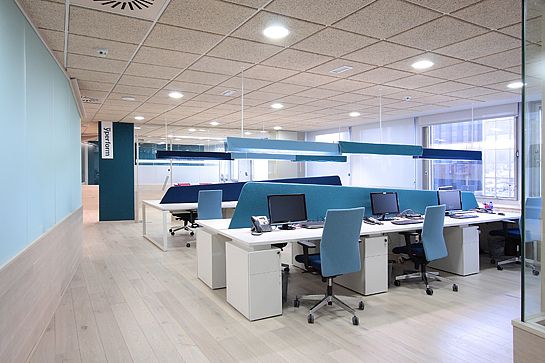
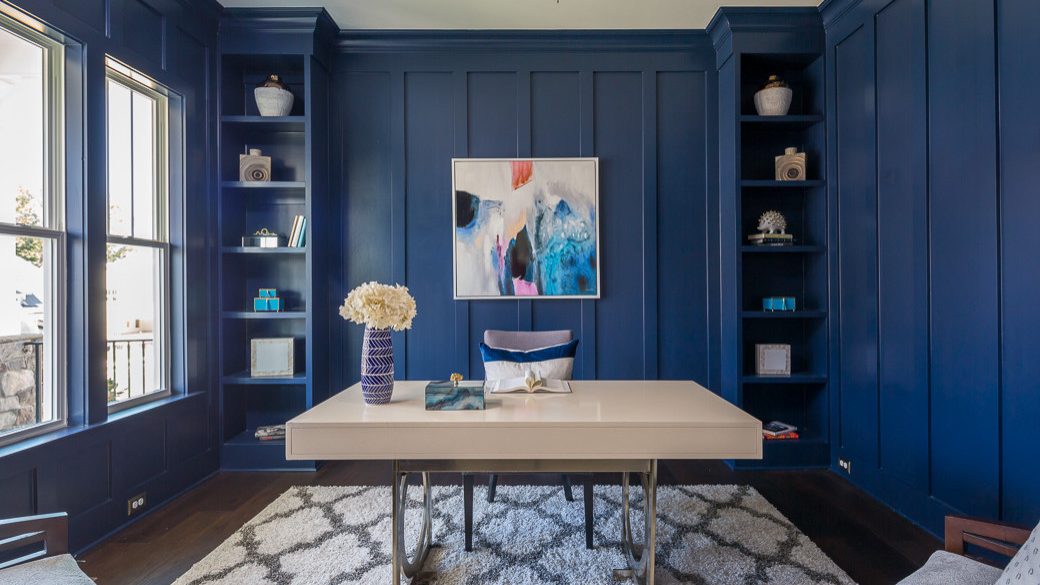
Blue is often associated with feelings of calmness, tranquility, and stability. It has a calming effect on the mind and can even reduce stress levels. Consider incorporating shades of soft blue into your workspace. Light blues, reminiscent of a clear sky or a serene ocean, can help create a sense of serenity and peace. Incorporate blue elements through wall paint, artwork, or accessories to infuse a tranquil vibe into your surroundings.
The Serene Greens:

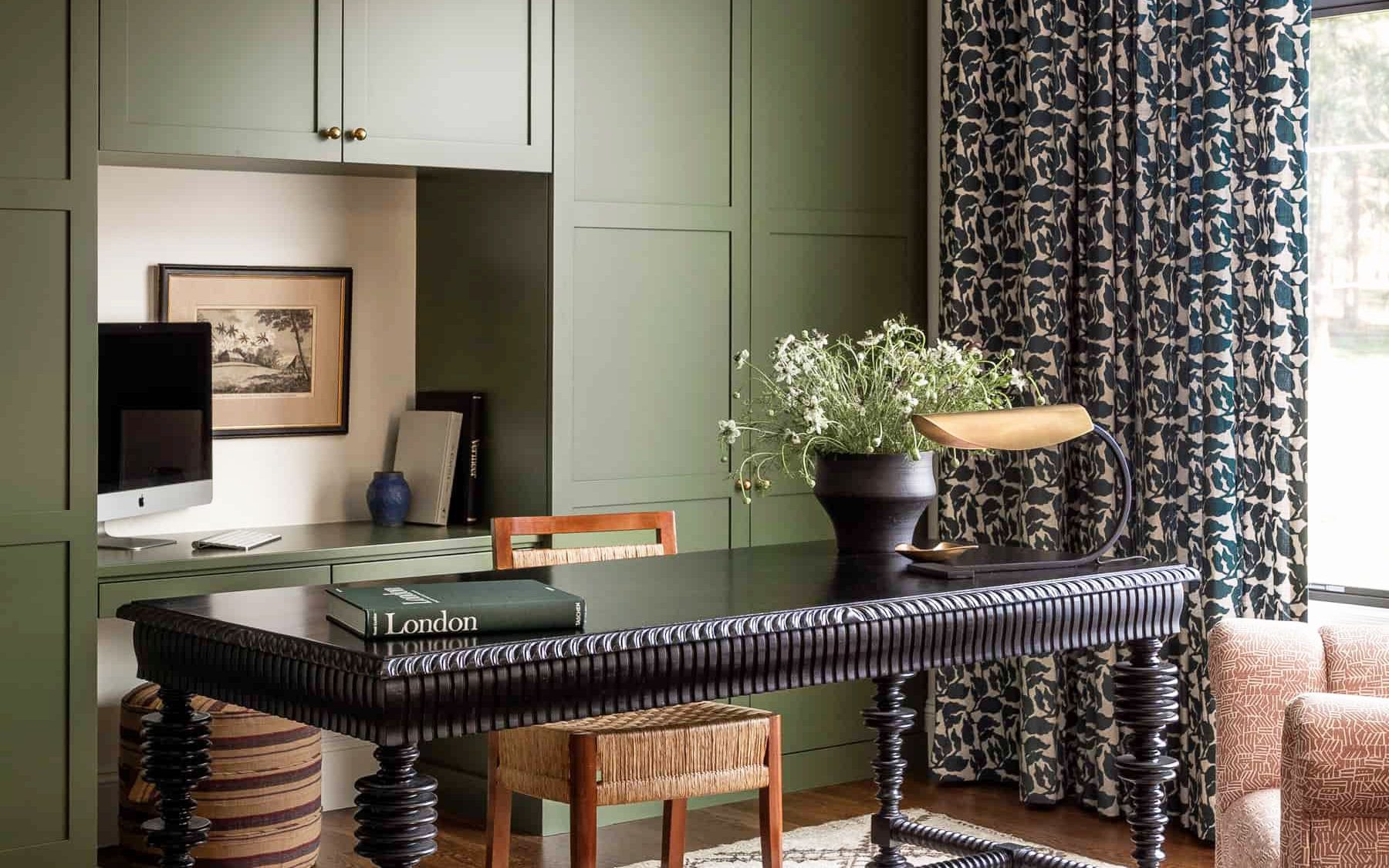
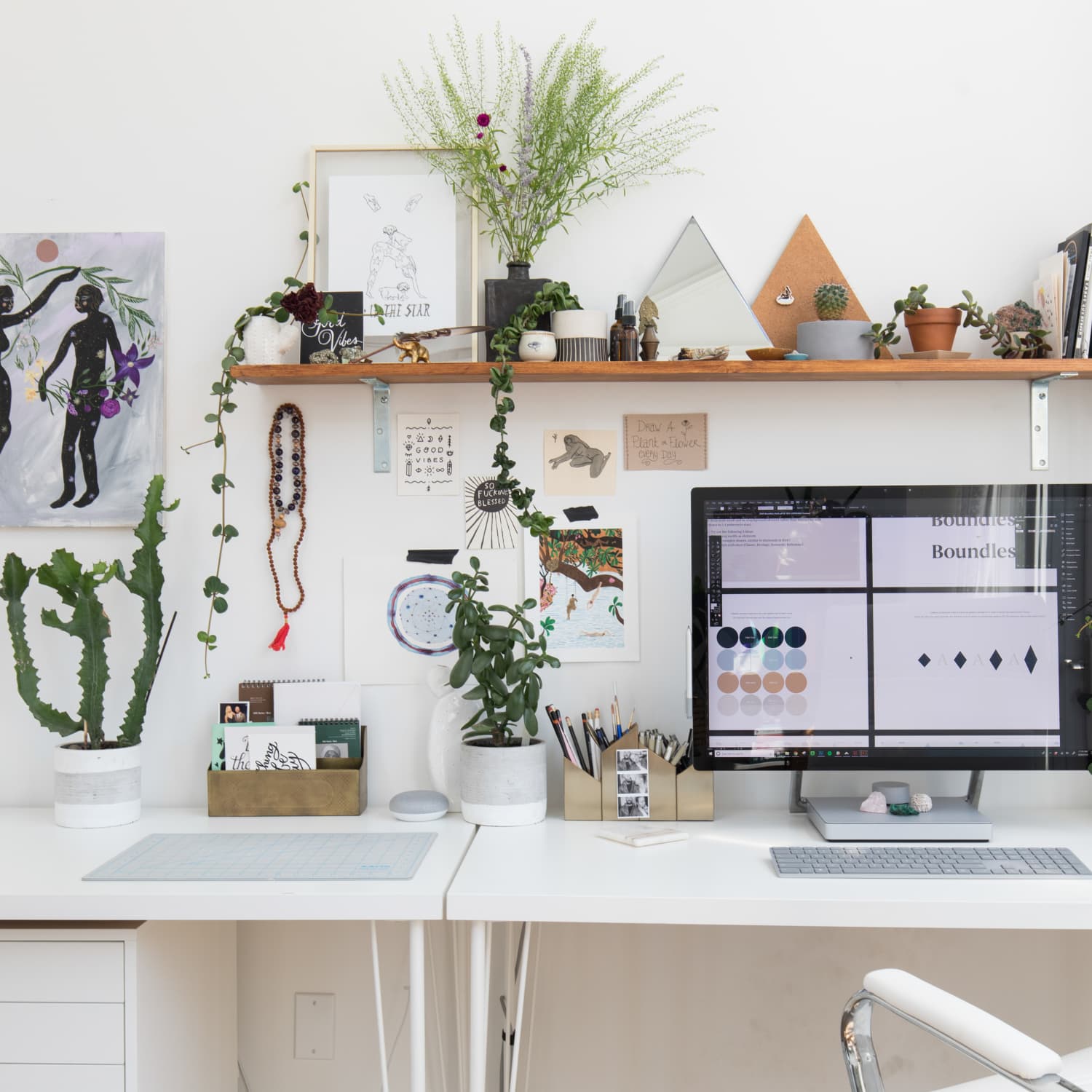
Green is strongly linked to nature and has a restorative effect on our well-being. It symbolizes growth, harmony, and balance. Studies have shown that exposure to greenery can reduce anxiety and enhance concentration. Consider incorporating shades of green into your workspace through potted plants, leafy artwork, or even green accent walls. These natural elements will not only add a touch of serenity but also improve air quality.
The Soothing Neutrals:
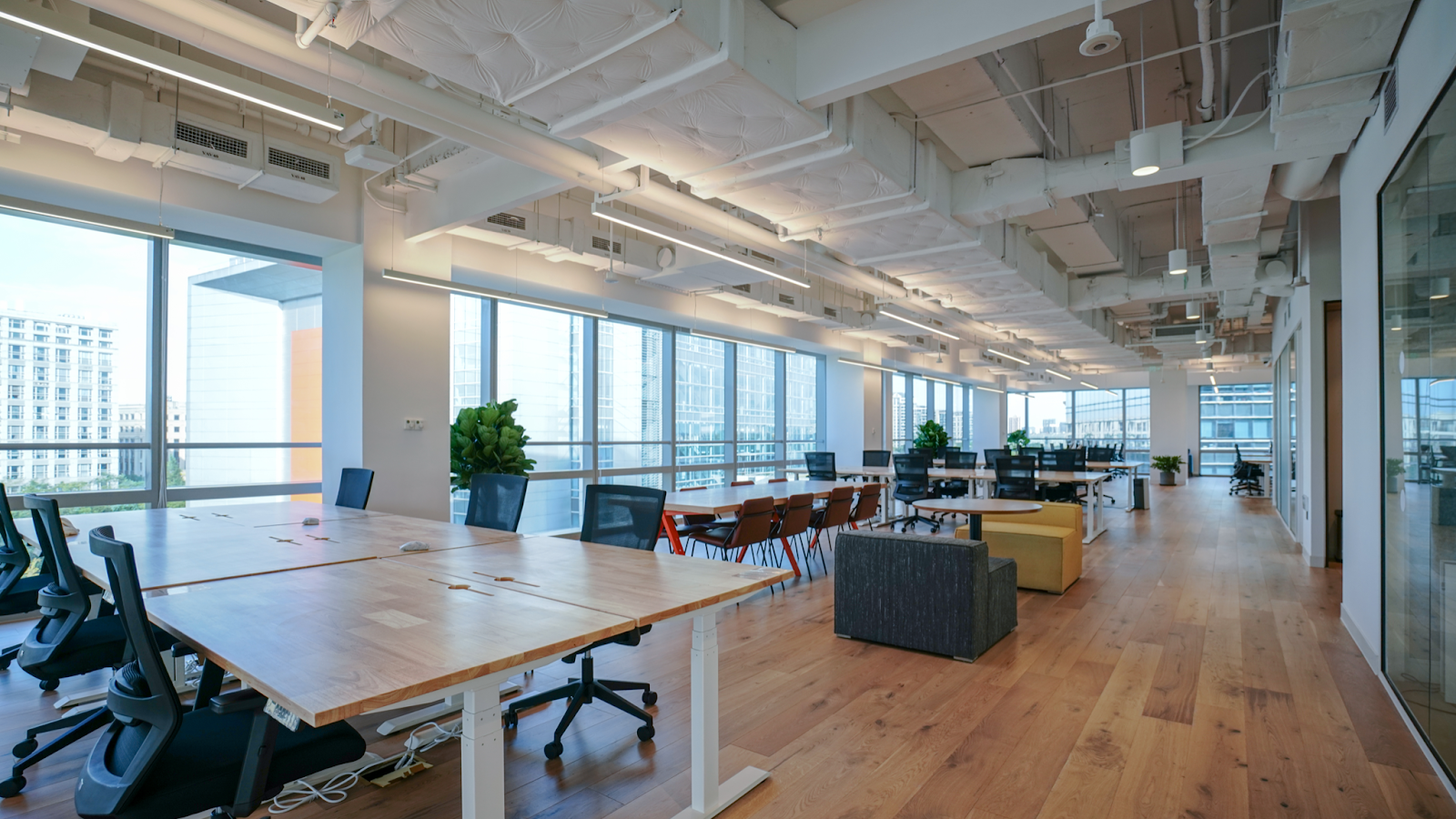
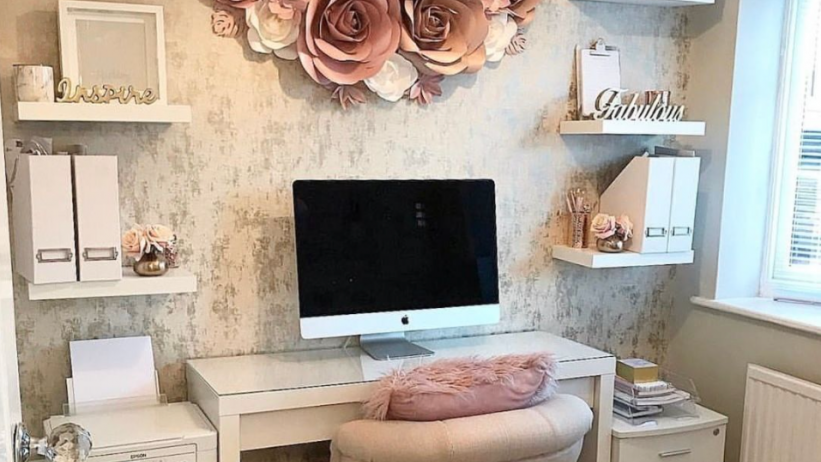
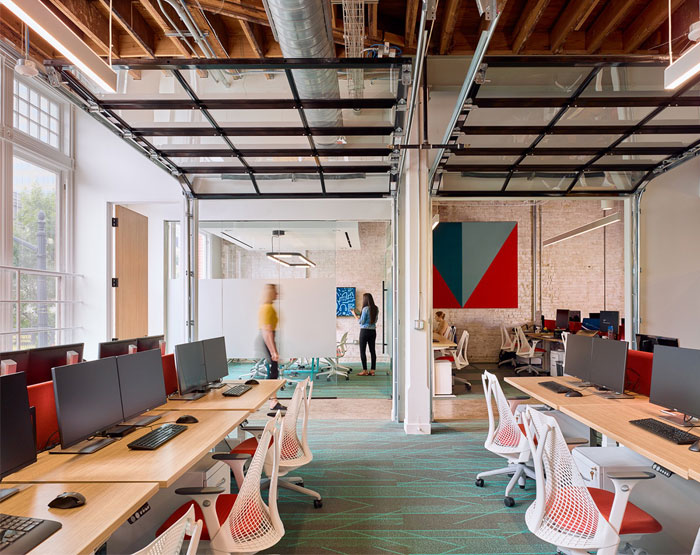
Neutral colors such as soft grays, muted beiges, and warm taupes can create a calm and sophisticated atmosphere in your workspace. These colors are versatile, allowing you to pair them with pops of other soothing hues. Neutrals also provide a blank canvas for personalization and can be easily integrated into various design styles. Consider using neutral colors for walls, furniture, and flooring to establish a serene foundation that complements other calming elements in your workspace.
Accent Colors for Balance:
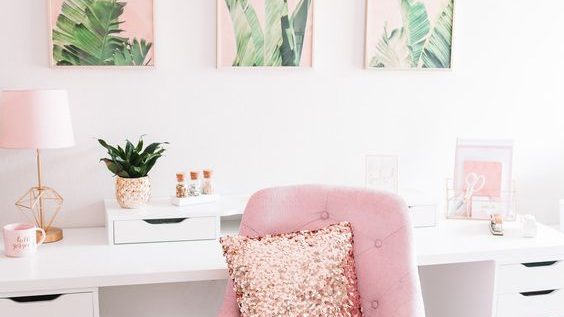
While blues, greens, and neutrals form the foundation of a calming workspace, accent colors can add depth and balance to the overall design. Soft, muted tones like lavender, pale pink, or light yellow can infuse a sense of tranquility without overpowering the space. Introduce these accent colors through accessories, cushions, or artwork strategically placed throughout your workspace.
Personalizing Your Calming Workspace:
Creating a calming workspace is a personal journey, and it’s essential to select colors that resonate with you. Pay attention to how different colors make you feel and experiment with combinations that create the desired atmosphere. Remember, what works for one person may not work for another, so trust your instincts and choose a color palette that promotes your sense of calm and productivity.
Designing a calming workspace involves careful consideration of color choices based on the principles of color psychology. By incorporating soothing palettes, such as tranquil blues, serene greens, and comforting neutrals, we can create an environment that promotes relaxation, focus, and well-being. Remember to add personal touches and experiment with accent colors to create a workspace that truly reflects your unique preferences and needs. With the power of color psychology on your side, you can transform your work environment into a tranquil oasis where you can thrive and find peace amidst the demands of the day.
Homework: Look around your workspace. Sit there for a few moments. How does your space make you feel? Let me know your evaluation below.







 The Online Strategy Lab
You must be logged in to post a comment.